


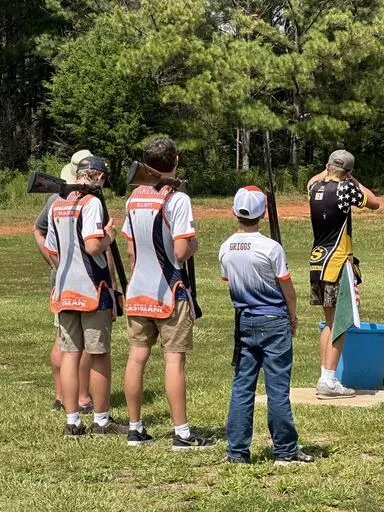
The popularity of youth clay target sports has surged across the country. It has quickly become one of the fastest-growing activities for middle and high school students. Organizations like the USA High School Clay Target League and the Scholastic Clay Target Program (SCTP) lead this growth. Unlike traditional sports, clay shooting offers a level playing field. Safety, mental discipline, and focus take center stage. Participating helps students build life skills, team camaraderie, and paths to college scholarships.
Finding a Local Team
The first step is understanding how local youth teams operate. Many schools field official varsity or club teams. If your school lacks a team, independent community clubs are widely available. Local gun clubs, 4-H programs, and regional SCTP chapters frequently host open roster teams.
To find a team, contact your school’s athletic director first. If they do not have a program, check the online directories for the USA High School Clay Target League or SCTP. Local shooting ranges are also great resources for finding active coaches.
How to Start a School Team
If your local school lacks a clay target program, starting one is straightforward. League organizations like the USA High School Clay Target League and SCTP provide administrative frameworks, insurance, and rulebooks to make setup simple. In several states, school governing bodies fully sanction clay target shooting alongside traditional high school sports.
1. Secure Leadership and Volunteers
Every successful team begins with a dedicated head coach and a core group of parent volunteers. Head coaches do not need to be professional shooters, but they must complete league-specific certification, background checks, and safety training. Assign extra volunteers to handle logistics, scoring, safety, and fundraising.
2. Partner with a Host Shooting Range
Contact local gun clubs or shooting ranges early to secure range time. You will need a facility capable of hosting weekly practice sessions and official virtual competition rounds during the season. Confirm that the range has certified Range Safety Officers or will allow your trained coaches to oversee the trap or skeet fields.
3. Pitch the School Administration
Schedule a meeting with your high school’s athletic director or principal. Present the program using the official startup guide provided by the national league. Highlight key selling points:
-
Pristine Safety Record: Clay target shooting is statistically one of the safest high school activities, with zero reported injuries across national league operations.
-
Full Inclusivity: Men and women compete together, and co-ed rosters give every student equal opportunity to participate regardless of physical size.
-
Turnkey Insurance: National leagues provide full liability insurance coverage for the school, coaches, and athletes.
4. Host an Information Meeting and Recruit
Once approved, schedule a parent-student orientation night. Use flyers, announcements, and local gun club newsletters to spread the word. Review costs, safety training requirements, practice schedules, and gear needs so families know what to expect before registration opens.
Mandatory Safety Training
Safety training is required before any student steps onto the shooting line. Most leagues require a state-approved Hunter Education course or League Firearm Safety Certification. Completing this training early builds confidence and teaches proper firearm mechanics before practices begin.
Gear and Financial Considerations
Beginners do not need expensive competition shotguns. A reliable 12-gauge or 20-gauge shotgun fitted to the student’s frame works best. Mandatory gear includes eye protection and quality hearing protection, such as electronic earmuffs. A sturdy shell pouch or shooting vest is also essential.
Families should budget for registration, ammunition, targets, and protective gear. While costs are reasonable compared to travel sports, teams often offset expenses through local fundraisers, sponsorships, and grants from organizations like the MidwayUSA Foundation.
Time Commitment and Parent Involvement
Typical seasons run six to ten weeks in the spring and fall. Practices occur once or twice weekly, with virtual competitions shot at local home ranges. Minimal weekend travel is required until state or national championships.
Parent volunteers are essential to every team’s success. Parents serve as Range Safety Officers, scorekeepers, and event coordinators. Volunteering offers a great opportunity to share a rewarding experience with your child while reinforcing a safe shooting culture.
0 Comments